When you're responding to cardiac emergencies, BLS gives prompt, non-invasive treatments like mouth-to-mouth resuscitation and AED use that require minimal training, while ALS involves intricate clinical procedures consisting of intubation, IV medications, and ECG interpretation that demand comprehensive healthcare certification You'll find BLS appropriate for very first responders and the general public, whereas ALS is limited to medical professionals, nurses, and paramedics. Both accreditations call for revival every two years, and comprehending their distinct applications will boost your emergency situation response capabilities.
Key Takeaways
- BLS supplies instant life-saving treatments like mouth-to-mouth resuscitation and AED use, while ALS consists of sophisticated treatments like intubation and drug administration.BLS targets doctor, first -responders, and general public; ALS is developed for doctors, nurses, paramedics, and emergency situation physicians.BLS uses fundamental tools like bag-valve masks and AEDs; ALS uses advanced tools including 12-lead ECGs and hand-operated defibrillators.BLS training takes 2.5-8 hours focusing on acknowledgment and mouth-to-mouth resuscitation; ALS calls for considerable scientific experience and progressed accreditation coursework.BLS highlights rapid assessment and non-invasive treatment; ALS entails diagnostic interpretation, intrusive treatments, and extensive individual management.
What Is Standard Life Support (BLS) and Who Can Execute It?
When encountering life-threatening emergencies like cardiac arrest, Basic Life Support (BLS) serves as the vital very first line of medical treatment that maintains crucial features until advanced treatment arrives.

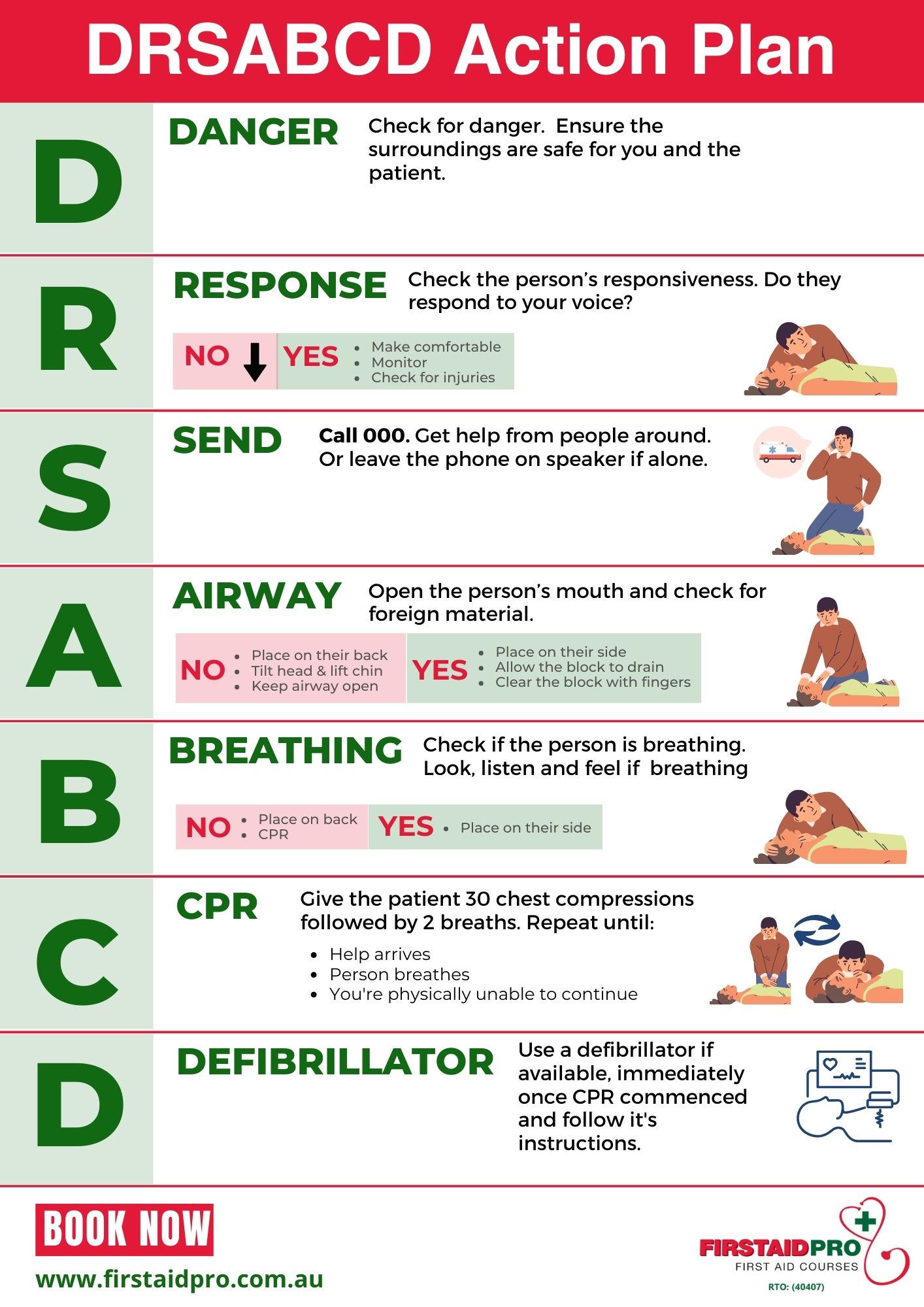
You'll acknowledge BLS as incorporating cardiopulmonary resuscitation (MOUTH-TO-MOUTH RESUSCITATION), AED usage, and fundamental air passage administration methods created to keep flow and respiration.
Healthcare carriers, initially responders, and public security professionals commonly obtain formal BLS accreditation via companies like the American Red Cross.
However, you don't require medical training to execute fundamental BLS procedures.
The methods emphasize timely recognition of heart attack, instant activation of emergency services, and continuous CPR with marginal interruptions.
Early defibrillation through AED use significantly improves survival results, making these abilities vital for anyone that may run into emergency situation circumstances requiring instant life-sustaining treatment. Reliable BLS shipment requires both physical proficiency and critical-thinking skills to evaluate circumstances and make fast choices throughout high-stress emergencies.
What Is Advanced Life Assistance (ALS) and Who Requires This Training?
Advanced Life Support (ALS) includes innovative medical interventions including sophisticated airway management, IV gain access to, heart rhythm tracking, and emergency medication administration that expand far past fundamental mouth-to-mouth resuscitation and first aid.
You'll locate ALS protocols are especially made for handling critical situations like cardiac arrests, respiratory failures, strokes, and multi-system trauma where prompt innovative medical intervention figures out patient survival. ALS builds on foundational BLS interventions such as bag-mask ventilation, chest compressions, and automated outside defibrillator use to provide detailed emergency care.
Paramedics, advanced EMTs, emergency situation medical professionals, and essential care health care specialists require this specialized training to do complex procedures such as tracheal intubation, cardioversion, and transcutaneous pacing in high-stakes emergency situation scenarios
ALS Meaning and Scope
Beyond the essential interventions of Basic Life Support, Advanced Life Assistance (ALS) includes intricate life-saving protocols that assistance flow, keep open respiratory tracts, and guarantee ample air flow via complex clinical procedures.
You'll run into advanced medical terminology melbourne first aid and emergency methods that prolong far beyond fundamental care, needing specialized training and tools to implement effectively.
ALS incorporates critical interventions for cardiac emergencies including cardiac arrest, stroke, and myocardial infarction.
You'll do procedures like tracheal intubation and continual cardiac rhythm monitoring while administering medications through intravenous and intraosseous courses. ALS highlights high-quality care and assimilation of skills for better patient outcomes.
The extent includes diagnostic tools such as ultrasonography and ECG monitoring, requiring considerable understanding of sophisticated air passage monitoring techniques.

Before going after ALS qualification, you need to finish BLS training as a requirement foundation.
Target Training Audience
Healthcare experts throughout several self-controls need ALS certification to supply advanced emergency situation care in clinical settings. You'll find that doctors, registered nurses, Emergency medical technicians, and paramedics must complete this training to execute important treatments effectively.
Your training demands include:
- BLS Proficiency: You need to demonstrate expertise in standard life support prior to progressing to ALS protocols Clinical Decision-Making: You'll create skills to navigate moral predicaments during resuscitation scenarios Team Leadership: You'll find out to collaborate multi-disciplinary feedbacks while handling complex medical emergencies Evidence-Based Practice: You'll use existing resuscitation guidelines that integrate social considerations for diverse person populations
Whether you're working in healthcare facility emergency situation departments, critical care unit, or pre-hospital atmospheres, ALS accreditation guarantees you can supply standard, high-quality care The training incorporates effective communication methods crucial for coordinating resuscitation groups throughout cardiovascular emergencies.
Organizations like the American Red Cross and European Resuscitation Council supply around the world identified training programs.
Training Requirements and Certification Procedures for BLS Vs ALS
When going after life assistance qualification, you'll encounter distinctive training timelines and prerequisites that differentiate BLS from ALS programs.
BLS programs normally require several hours of combined online and hands-on training, making them available to health care experts at different experience levels. Upon successful completion, you'll receive a BLS Provider Program Conclusion Card that remains valid for 2 years.
ALS qualification demands significantly much more extensive prep work, consisting of obligatory BLS effectiveness and extensive clinical experience prior to you can attempt the advanced coursework.
BLS Training Duration
How long does it require to finish BLS certification? You'll normally need 4-5 hours to finish all parts of your BLS training The duration varies based upon your experience degree and selected distribution method.
Standard in-person courses variety from 2.5 to 5 hours, though intricate sessions may encompass 8 hours relying on class size and teacher speed. Your training will certainly cover important mouth-to-mouth resuscitation techniques for adults, kids, and infants, plus emergency situation procedures for cardiac arrest scenarios.
Key time dedications consist of:
- Online modules: 1-2 hours for academic content Hands-on skills session: 60 mins to 2 hours for functional application Refresher courses: 3-4 hours for seasoned providers Skills assessment: Extra time for manikin screening and written examination
You'll need to pass both functional and written analyses to receive your two-year certification The program highlights high-quality CPR and group characteristics educating to prepare you for real-world emergency situation situations.
ALS Qualification Requirements
Advanced Life Support (ALS) certification needs significantly more comprehensive training than BLS, targeting health care specialists who handle complicated cardiac emergency situations. You'll complete blended learning that combines on the internet coursework with compulsory in-person abilities sessions.
The qualification procedure needs passing a written exam before showing advanced CPR techniques and respiratory tract management abilities under accredited trainer supervision.
Your ALS certification remains legitimate for 2 years, the same to BLS legitimacy durations. However, certification renewal deals sped up options for seasoned suppliers with review or difficulty pathways.
You'll understand advanced Nearby Melbourne First Aid Course cardiovascular life assistance methods, including cardiac rhythm recognition, medication administration, and clinical decision-making in important scenarios. Interactive training scenarios improve your competency in managing lethal problems. Adaptive knowing technology customizes your training experience based on specific competency levels.
Upon successful conclusion of both composed and practical analyses, you'll receive your two-year ALS certificate
Equipment and Equipment Used in Basic Vs Advanced Life Support
While both Basic Life Assistance (BLS) and Advanced Life Support (ALS) protocols share fundamental equipment requirements, their tool collections vary markedly in complexity and scope.
You'll discover common tools throughout both levels consists of cervical collars, stethoscopes, blood pressure cuffs, pocket masks, and oxygen distribution systems. Nevertheless, BLS companies rely on bag-valve-mask gadgets, long spinal column boards, tourniquets, and basic injury treatment supplies BLS training highlights high-quality mouth-to-mouth resuscitation delivery and appropriate use automated outside defibrillators to improve individual outcomes.
ALS teams make use of substantially more sophisticated equipment:
- Manual defibrillators and 12-lead ECG procurement systemsContinuous waveform capnography and pulse oximetryGlucometers for blood sugar monitoringSpecialized diagnostic and tracking devices
Trauma devices expand further with femoral grip splints, pelvic circumferential compression gadgets, and cervical-thoracic immobilization equipment.
Pediatric methods require specialized fluid management devices, umbilical cable clamps, and temperature upkeep equipment.
Scope of Method: Treatments and Interventions in BLS and ALS
The innovative tools collection offered to BLS and ALS carriers directly correlates with their accredited scope of practice and intervention abilities. You'll discover BLS protocols include CPR, basic respiratory tract management, AED deployment, and choking relief-- treatments anyone can perform with appropriate certification.
Conversely, ALS practitioners perform advanced air passage management including endotracheal intubation, ECG interpretation, emergency situation drug management, IV accessibility facility, and cardioversion procedures.
Legal factors to consider mandate stringent adherence to your accreditation degree's scope. You can't carry out treatments beyond your training without running the risk of responsibility and patient harm.
Ethical dilemmas develop when you run into situations needing abilities outside your extent-- you must identify restrictions and demand ideal backup.
ALS carriers face complicated decision-making situations needing critical thinking, while BLS focuses on immediate life-saving activities with standardized protocols.
Real-World Applications: When to Use BLS Vs ALS in Emergency Situations
When emergency situations unravel, your capacity to rapidly evaluate and classify the situation determines whether BLS or ALS protocols need to take priority. Response timing becomes important as you assess the person's condition and readily available resources.
Equipment comparison discloses unique applications:
- Cardiac arrest scenarios - You'll initiate BLS with mouth-to-mouth resuscitation and AED implementation while triggering emergency services for ALS backup.Complex arrhythmias - ALS teams take over with sophisticated cardiac tracking, medicine management, and ECG interpretation.Public setups - BLS-trained employees provide instant intervention until paramedics arrive with ALS capabilities.Hospital settings - Smooth shift from BLS to ALS happens as specialized teams apply thorough heart protocols.
Your decision-making process fixate patient acuity, available personnel training levels, and proximity to advanced medical resources.
Frequently Asked Questions
How Much Does BLS and ALS Certification Cost?
Like climbing a financial ladder, qualification expenses escalate significantly. You'll invest $15-$164 for BLS training expenditures, while ALS accreditation prices jump to $200-$1,000+ depending on your service provider's extensive procedure needs and progressed ability development.
Can BLS Carriers Assist ALS Providers During Emergency situation Situations?
You'll work together via team effort within your range of technique by keeping mouth-to-mouth resuscitation, monitoring vitals, and helping with equipment while ALS suppliers perform sophisticated interventions, guaranteeing seamless individual care handoffs.
What Takes place if My BLS or ALS Qualification Expires?
Like a ticking time bomb, expired certifications cause serious expiry effects including task suspension, compromised individual safety and security, and legal problems. You'll encounter work constraints till certification renewal happens, potentially endangering your specialist standing and emergency reaction capabilities.
Are There Online Options Available for BLS and ALS Training?
You'll find on-line programs conveniently offered for BLS training, using flexible qualification revival alternatives. However, ALS calls for hands-on practice, so on the internet resources mainly work as extra study materials as opposed to total training solutions.
How Usually Do BLS and ALS Skills Required to Be Practiced?
Think you'll bear in mind mouth-to-mouth resuscitation after two years? You'll need BLS ability refresher courses every two years for qualification. ALS calls for much more frequent practice-- every 1-2 years-- with intensive simulation training because of complex procedures and advanced decision-making requirements.
Conclusion
You're the crucial bridge in between life and fatality in emergency circumstances. Whether you're possessing BLS's fundamental lifelines or ALS's advanced arsenal, your training comes to be the person's sign of hope. Do not let accreditation spaces become stumbling blocks-- master your scope, recognize your procedures, and carry out with precision. In emergency medication's high-stakes theater, you're either the hero who conserves lives or the weak spot that breaks the chain. Your competency establishes the outcome.